Tracing Box: A Unique Font for Learning Word Spellings
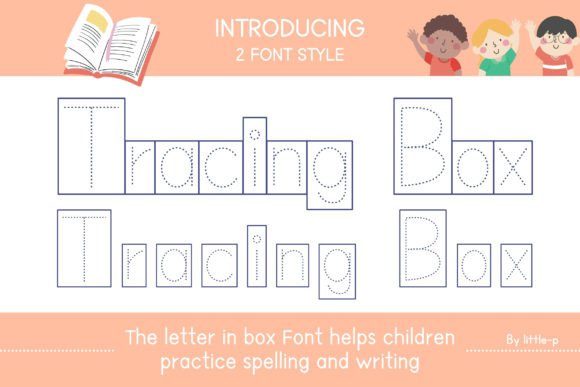
Imagine a font that does more than just display letters—it actively helps young learners master spelling through a simple, engaging visual framework. That’s the innovative approach behind Tracing Box, a specialized typeface designed to make writing practice intuitive and effective. By combining letters with guided squares, this font turns spelling exercises into a tactile, memorable activity, perfect for children beginning their literacy journey.
At its core, Tracing Box is a premium educational font set featuring two distinct styles: Tracing Box Regular and Tracing Box Space. The Regular style presents letters within clear, defined boxes, offering structure and support for each character. The Space style introduces more room between letters, encouraging learners to focus on spacing and word structure. Together, they provide a versatile toolkit for educators, parents, and designers working on learning materials.
What makes this font particularly valuable is its practical application across a wide range of educational settings. It’s not just for worksheets—it’s a creative asset for any project aimed at helping children learn. Consider using it for:
- Interactive spelling worksheets and activity books
- Flashcards and word-building games for kindergartens
- Homework assignments and practice sheets for elementary students
- Visual aids and classroom posters
- Digital learning apps or printable resources for homeschool environments
The design of Tracing Box is intentionally clean and readable, which is crucial for early learners. Each letter is crafted to be recognizable and easy to trace, reducing frustration and building confidence. This focus on clarity makes it an excellent choice for projects where readability is non-negotiable. When selecting a font for educational content, always prioritize how easily children can distinguish between similar letters—a strength this typeface delivers.
Beyond its primary educational use, the font’s structured aesthetic offers surprising versatility in creative design. Its modern typography feel can lend a playful yet organized look to projects like children’s book covers, activity app interfaces, or even branding for educational products. For designers, it’s a useful creative font to have in your toolkit when the project calls for a blend of functionality and friendly appeal.
If you’re considering this font for your next project, here are a few practical tips to get the most out of it:
- Test readability at the size you plan to use. Ensure the letterforms remain clear, especially for younger audiences.
- Match the mood of your project. Its playful, structured style works well for cheerful, educational themes but may not suit formal contexts.
- Explore font pairings. Try combining Tracing Box with a simple sans serif font for body text to maintain balance and readability.
- Review the available styles. Decide whether the Regular or Space version better suits your layout needs, or use both for variety.
- Check the license to ensure it covers your intended use, whether for personal educational materials or commercial design assets.
Choosing the right typeface is about more than aesthetics—it’s about supporting your project’s goals. A well-designed font like Tracing Box can enhance visual consistency, make content more engaging, and ultimately contribute to a more polished and professional presentation. Whether you’re creating resources for a classroom, designing educational products, or crafting engaging social media graphics for a learning brand, this font offers a thoughtful solution that combines creativity with clear, practical purpose.
In a world of endless font options, finding one that serves a specific, meaningful function can make all the difference. Tracing Box stands out by addressing a real need in early education, providing a tool that is as useful as it is visually appealing. It’s a reminder that great design often lies in simplicity and purpose, helping young learners take their first confident steps in spelling and writing.